

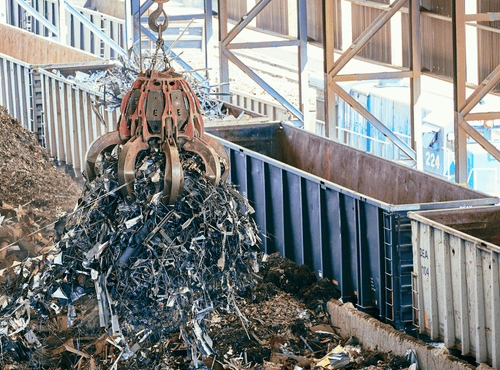
Many people arrange scrap metal pickup from their home or business but rarely think about what happens to scrap metal after collection. Once metal leaves a property it enters a structured recycling system that allows valuable materials to be reused instead of being discarded. Understanding the scrap metal recycling process helps residents and trade businesses see how unwanted metals are recovered and returned to productive use.
Across Australia, scrap metal recycling plays an important role in reducing waste and supporting sustainable industry. Builders, plumbers, HVAC technicians, and local households regularly generate scrap metal during renovations, repairs, and equipment replacement. By sending these materials to recycling facilities rather than landfill, communities help ensure that metals remain valuable resources instead of becoming environmental waste.
What Happens to Scrap Metal After Collection
After scrap metal is collected it does not go straight to landfill. Instead it enters a structured recycling system designed to recover valuable materials and prepare them for reuse. The scrap metal recycling process involves several stages that transform unwanted metal into reusable raw materials.
The typical process includes:
- Transporting scrap metal to a recycling facility
- Sorting materials into ferrous and non-ferrous metals
- Removing contaminants such as plastic, insulation, or dirt
- Shredding or compressing the metal into smaller pieces
- Melting the metal in industrial furnaces
- Forming new metal products for manufacturing
Understanding what happens to scrap metal after collection helps both residents and businesses appreciate how recycling supports resource conservation and sustainable manufacturing.
Why Scrap Metal Recycling Matters
Metal is one of the most recyclable materials in the world. Unlike many materials that degrade during recycling, metals can be reused many times without losing strength or quality. This makes recycling metal extremely valuable for modern industry.
Recycling metals reduces the need for mining new raw materials. Mining requires significant energy, land use, and water resources. By recycling existing metals, industries can reduce environmental impact while still producing the materials needed for construction, manufacturing, and infrastructure.
Research from the aluminium industry shows that recycling aluminium uses up to 95% less energy than producing aluminium from raw materials. This demonstrates how recovering metals through recycling systems can significantly reduce energy consumption and environmental impact.
Scrap metal recycling also helps reduce landfill waste. Many metal products such as appliances, machinery components, and structural materials can take decades to break down if they are buried in landfill. Recycling keeps these materials in circulation instead of allowing them to become long term waste.
For trade businesses and residents, recycling scrap metal also helps remove unwanted materials safely while supporting responsible environmental practices.
The First Stage of the Scrap Metal Recycling Process
Once scrap metal is collected from homes, construction sites, workshops, or commercial properties, it is transported to a recycling facility. These facilities are designed to safely process and prepare different types of metals for reuse.
When materials arrive at the recycling facility, workers inspect the collected metal to identify the types of materials that have been delivered. Scrap metal may include appliances, structural steel, metal piping, vehicle parts, machinery components, or electrical wiring.
The materials are then prepared for sorting. Any obvious non metal materials such as plastic coverings, rubber components, or insulation may be removed at this stage. Removing these contaminants helps ensure that the recycling process focuses only on the metal materials that can be recovered and reused.
Sorting Ferrous and Non Ferrous Metals
One of the most important stages in the scrap metal recycling process is separating metals into categories. Metals are typically sorted into ferrous metals and non ferrous metals.
Ferrous metals contain iron and are usually magnetic. Examples include steel and cast iron. These metals are commonly found in construction materials, automotive parts, tools, and heavy machinery.
Non ferrous metals do not contain iron and are not magnetic. These metals are often more valuable because they are used in specialised industries. Common non ferrous metals include copper, aluminium, brass, and stainless steel.
Recycling facilities often use large magnets to separate ferrous metals from non ferrous metals. Magnetic systems quickly attract iron based materials, allowing other metals to remain separate for further processing.
This step ensures that each metal type enters the correct recycling stream and is processed using the appropriate methods.
Cleaning and Preparing Scrap Metal
After metals have been sorted into categories they must be cleaned before further processing. Scrap metal often arrives at recycling facilities with coatings, paint, oil, dirt, or other contaminants.
Cleaning helps remove these materials so the metal can be processed effectively. Some metals may be washed or mechanically cleaned to remove dirt and debris. In other cases specialised equipment may be used to strip insulation from electrical wiring or remove oils from machinery components.
Preparing the metal properly helps improve the quality of the recycled material. Manufacturers require clean metal so it can be melted and reused without contamination.
Once the metals are cleaned they are ready for processing.
Processing and Size Reduction
Large metal items cannot be processed efficiently in their original form. For this reason recycling facilities use industrial machinery to reduce the size of scrap metal.
Metal may be cut, shredded, or compressed into smaller pieces. Shredding machines are commonly used to break down appliances, vehicle parts, and structural metal into manageable fragments.
Compression equipment may also be used to form metal into compact bundles. This makes the materials easier to store and transport to processing plants.
Reducing the size of scrap metal helps prepare it for melting and ensures that recycling facilities can handle large volumes of material efficiently.
Melting the Metal for Reuse
After scrap metal has been sorted, cleaned, and processed it is ready for melting. This stage usually takes place at specialised metal processing plants.
Different metals require different temperatures to melt. Aluminium melts at a lower temperature than steel, while copper requires higher heat to reach a liquid state. For this reason each metal type is processed separately.
The metal is placed into large furnaces where it is heated until it melts into liquid form. During this stage the metal may also be purified to remove any remaining impurities.
Once melted the liquid metal is poured into moulds to form new metal shapes such as bars, sheets, or ingots. These forms are then transported to manufacturing facilities where they can be used to produce new products.
How Scrap Metal Is Recycled in Australia
Scrap metal recycling plays an important role in Australia’s waste management and manufacturing industries. Across the country recycling facilities process large volumes of metal collected from construction sites, households, industrial facilities, and demolition projects.
After scrap metal is collected it enters the scrap metal recycling process where it is sorted, cleaned, and prepared for reuse. Metals such as steel, aluminium, copper, and brass are commonly recovered and returned to manufacturing supply chains.
Recycled metal is widely used across many industries in Australia. Construction companies use recycled steel in building materials and infrastructure projects. Manufacturers use recycled aluminium in packaging, transport equipment, and consumer goods. Copper recycling supports electrical systems, telecommunications networks, and renewable energy infrastructure.
Recycling metals locally helps reduce reliance on newly mined resources and supports more sustainable production systems across the country.
Environmental Benefits of Metal Recycling
The scrap metal recycling process provides several important environmental benefits. One of the most significant advantages is energy conservation. Recycling metals requires far less energy than producing metals from raw mined materials.
Reduced energy use means lower greenhouse gas emissions during metal production. Recycling also reduces the environmental impact associated with mining activities.
Another major benefit is resource conservation. Metals are finite natural resources, and recycling allows existing materials to remain in circulation for much longer periods.
Recycling also reduces landfill waste. Large metal items such as appliances, machinery parts, and construction materials take up valuable landfill space when they are discarded. Recycling ensures these materials are returned to productive use instead.
How Scrap Metal Recycling Supports Local Communities
Scrap metal recycling benefits more than just the environment. It also supports local communities and industries.
Recycling facilities create jobs in collection, transport, sorting, and processing. These activities contribute to local economies and support employment in regional areas.
Trade businesses also benefit from reliable recycling services. Builders, electricians, plumbers, and HVAC contractors regularly generate scrap metal during their work. Recycling allows these materials to be removed quickly and handled responsibly.
Households benefit from scrap metal collection services that help remove bulky metal items from properties. This improves safety, reduces clutter, and ensures materials are recycled properly.
When communities participate in scrap metal recycling they contribute to a cleaner environment while supporting sustainable industry.
The Scrap Metal Recycling Process After Collection
Understanding what happens to scrap metal after collection helps both residents and trade businesses appreciate the value of recycling. Once scrap metal is collected it moves through several stages including sorting, cleaning, processing, melting, and manufacturing. This process ensures that valuable metals are recovered and reused rather than being sent to landfill.
If you are looking for reliable scrap metal recycling services in your area, NobleCore Recycling provides responsible collection and recycling solutions for both local residents and trade businesses. Whether you need scrap metal removed from a construction site or household items recycled safely, the team is ready to help.
Contact us today to arrange your scrap metal recycling service and ensure valuable materials remain part of the recycling cycle.