

Waste tyres are a constant by-product in automotive workshops, dealerships, fleet operations, and tyre service centres across Victoria. As vehicles are serviced, repaired, or replaced, used tyres accumulate quickly, often faster than businesses expect. Left unmanaged, they begin to take up valuable space and create operational friction within the workplace.
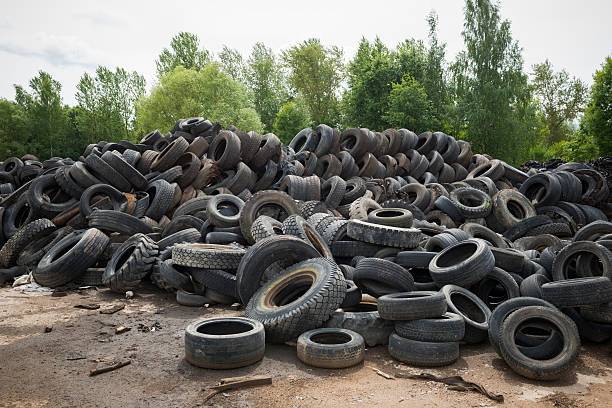
Disposing of tyres is not a routine waste task. Waste tyre disposal in Victoria is regulated due to environmental risks and safety concerns. Automotive businesses are expected to follow a structured process that includes proper collection, transport, and recycling through approved channels. Understanding how this system works helps maintain compliance while keeping operations efficient and organised.
Why Waste Tyres Can’t Be Treated Like General Waste
Tyres are fundamentally different from typical waste materials. Their composition includes rubber compounds, embedded steel, and synthetic fibres, which do not break down easily in landfill conditions. This durability is beneficial during use but becomes a problem when disposal is handled incorrectly.
Their physical structure also creates complications. Tyres trap air and resist compression, making them difficult to manage in landfill environments. This leads to inefficient use of space and increases the long-term burden on waste management systems. More importantly, large stockpiles of tyres can pose environmental risks, particularly if not stored or handled correctly.
For automotive businesses, this means tyres must be directed into dedicated recycling systems rather than general waste streams. Waste tyre collection transport in Victoria ensures these materials are processed through facilities equipped to handle their composition. A workshop that replaces dozens of tyres weekly, for instance, cannot rely on standard disposal methods without quickly encountering storage and compliance issues.
The Risks of Improper Tyre Disposal for Automotive Businesses
Improper disposal of waste tyres creates both immediate and long-term risks for businesses. On-site accumulation can reduce available workspace, create trip hazards, and increase the likelihood of fire incidents, especially when tyres are stacked in large quantities without proper management.
Regulatory risk is equally significant. Businesses are responsible for ensuring their tyres are disposed of through authorised channels. If tyres are traced back to illegal dumping or unauthorised transport, the originating business may face penalties. This risk increases when disposal is handled informally or without documentation.
There is also a reputational dimension. Customers expect automotive businesses to operate responsibly, particularly in areas that impact environmental outcomes. Poor waste management practices can undermine confidence and affect long-term business relationships.
A common example is a small workshop attempting to manage tyre waste independently. Without access to proper transport services, tyres are stored longer than intended, eventually leading to overcrowded workspaces and increased risk exposure. Structured collection avoids these issues by maintaining a consistent disposal cycle.
How Waste Tyre Collection and Transport Works in Victoria
Waste tyre collection and transport in Victoria follows a controlled process designed to ensure safe handling from pickup to recycling. It begins with scheduling a collection based on the volume and type of tyres a business generates.
Once a pickup is arranged, tyres are collected using vehicles equipped to handle the load efficiently. This step is more than simple transport it involves ensuring tyres are secured and moved in compliance with waste handling regulations. Proper transport reduces the risk of loss, damage, or environmental impact during transit.
After collection, tyres are delivered to authorised recycling or processing facilities. These facilities are equipped to manage large volumes and prepare tyres for further processing. This structured chain of handling ensures traceability, which is essential for compliance.
For example, a tyre retailer with high daily turnover may arrange weekly or even more frequent pickups. This ensures tyres are removed consistently, preventing buildup and allowing operations to continue without disruption.
When to Use Professional Tyre Recycling Transport Services
Professional tyre recycling transport services become essential as soon as tyre volumes move beyond occasional disposal. Automotive businesses that handle regular servicing or fleet maintenance generate a consistent flow of used tyres that must be managed efficiently.
Relying on internal disposal methods often leads to inefficiencies. Transporting tyres independently requires time, suitable vehicles, and compliance awareness. Without these, businesses risk delays or improper handling.
Professional services provide a structured alternative. They offer scheduled pickups, appropriate transport methods, and alignment with regulatory requirements. This allows businesses to focus on core operations rather than waste logistics.
A practical scenario involves a fleet maintenance provider servicing multiple vehicles each week. Without regular collection, tyres accumulate rapidly, reducing available space and creating operational friction. Scheduled transport services remove this pressure and maintain a steady workflow.
What Happens to Tyres After Collection
Once tyres are collected, they enter a recycling process focused on material recovery and reuse. This process begins with sorting and preparation, ensuring tyres are directed into the appropriate processing stream.
In Australia, around 537,000 tonnes of used tyres are generated each year, yet only about 26% are recycled or reused. This gap highlights the importance of directing tyres through proper collection and processing systems to improve recovery outcomes and reduce environmental impact.
Tyres are then typically shredded or granulated. This breaks them down into smaller components, allowing the separation of rubber, steel, and other materials. Each component is processed for reuse in different applications.
Recycled rubber is widely used in road construction, sports surfaces, and industrial products. Steel components are recovered and reintroduced into metal recycling streams. This ensures that the materials within tyres are not wasted but redirected into productive use.
A practical example can be seen in infrastructure projects where recycled rubber is incorporated into road surfaces. This application demonstrates how waste tyres can contribute to long-term construction solutions when handled through proper recycling channels.
Compliance Requirements for Waste Tyre Disposal in Victoria
Waste tyre disposal in Victoria is governed by regulations designed to protect the environment and ensure safe handling. Businesses are required to engage authorised providers for collection and transport, ensuring tyres are processed through approved facilities.
Compliance involves more than just arranging pickup. It includes maintaining traceability, ensuring tyres are handled correctly at every stage, and working with providers who operate within regulatory frameworks. This is particularly important for businesses handling large volumes or operating across multiple locations.
Licensed transport providers play a key role in this process. They ensure tyres are moved in accordance with waste management standards, reducing the risk of non-compliance. For businesses, this removes uncertainty and provides confidence that disposal requirements are being met.
For example, a workshop undergoing inspection may need to demonstrate how its tyre waste is managed. Having a clear, documented process supported by a compliant provider simplifies this requirement and supports ongoing operations.
Choosing the Right Waste Tyre Collection Partner
Selecting the right waste tyre collection partner affects both efficiency and compliance. While many providers offer similar services on the surface, differences in capability and reliability can influence outcomes.
A suitable partner should provide consistent service coverage across Victoria, including your operating area. Flexibility in scheduling is important, particularly for businesses with fluctuating tyre volumes. Experience in handling automotive waste ensures the provider understands the practical demands of the industry.
Clear communication and transparent processes also contribute to a smoother experience. Businesses benefit from knowing how collections are scheduled, how tyres are transported, and how recycling is managed.
A practical approach is to establish a partnership that aligns with your workflow. For instance, a dealership with predictable service volumes can set a recurring pickup schedule, ensuring tyres are removed before they become an operational issue.
The Role of Specialised Recycling Environmental Services
Specialised recycling environmental services provide the structure needed to manage complex waste streams such as tyres. These services integrate collection, transport, and processing into a coordinated system that ensures materials are handled responsibly.
For automotive businesses, this approach removes the need to manage multiple aspects of disposal independently. Instead, a single provider oversees the process from collection through to recycling, ensuring consistency and compliance.
This structure is particularly valuable for businesses operating across multiple sites. A unified system allows all locations to follow the same disposal process, improving efficiency and reducing the risk of inconsistencies.
A practical example involves a multi-location automotive group generating tyre waste at several workshops. By using specialised services, the business can standardise its waste management approach, ensuring each site operates under the same framework.
Manage Tyre Waste the Right Way
Waste tyres are an unavoidable part of automotive operations, but they do not need to create ongoing challenges. With the right approach, collection and recycling can be integrated into daily workflows, supporting both compliance and operational efficiency.
Noble Core Recycling provides waste tyre collection and transport services across Victoria, helping automotive businesses manage tyre disposal through structured and compliant systems. Whether handling routine collections or larger volumes, arranging a service ensures tyres are removed efficiently and processed responsibly.
Managing tyre waste effectively protects your workspace, supports regulatory requirements, and contributes to better environmental outcomes. With a consistent process in place, tyre disposal becomes a controlled and manageable part of your operations.